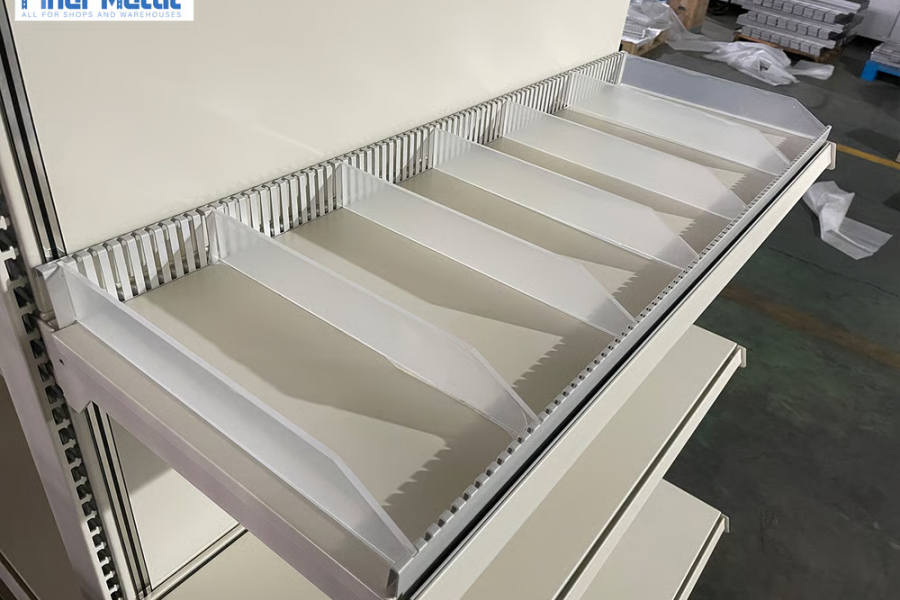
A stopper & divider plays a crucial role in many industries by providing both separation and control functions. At its core, a stopper prevents unwanted movement or flow, while a divider separates distinct areas or components. This combination is widely utilized in storage solutions, manufacturing lines, and organizational systems to enhance efficiency and maintain order. Their fundamental design varies depending on application, material, and purpose, making them indispensable tools in both commercial and domestic settings.
Materials and Construction of Stopper & Divider
Stopper & divider components are crafted from a variety of materials including plastic, metal, rubber, and wood. The choice of material depends heavily on the required durability, environmental exposure, and the specific task at hand. For instance, rubber stoppers offer excellent sealing and cushioning, while metallic dividers provide robust separation in industrial environments. Understanding these material properties helps in selecting the right stopper & divider for a particular context.
Applications in Industrial and Manufacturing Settings
In industrial environments, stopper & divider systems ensure smooth operation by preventing product spillage and unintentional mixing on conveyor belts or assembly lines. Dividers organize components into sections, reducing errors and enhancing workflow. Stoppers often function as safety measures to halt movement of machinery parts during maintenance. Their integration contributes significantly to streamlined processes and workplace safety.
Role in Home Organization and Storage Solutions
Stopper & divider solutions are widely used in home organization, especially within drawers and cabinets. Dividers create compartments that help sort items such as utensils, stationery, or cosmetics, while stoppers prevent sliding or shifting of containers and trays. This dual functionality not only maximizes space efficiency but also maintains order and accessibility, making daily routines more manageable.
Innovative Designs in Stopper & Divider Products
Recent advances have led to innovative stopper & divider designs that incorporate adjustable features, modular components, and ergonomic shapes. For example, expandable dividers adapt to varying container sizes, and magnetic stoppers provide flexible placement without permanent fixtures. Such innovations respond to the growing demand for customizable, user-friendly organizational tools.
Stopper & Divider in Medical and Laboratory Settings
In healthcare and laboratory environments, stopper & divider tools are essential for maintaining sterility and preventing cross-contamination. Stopper caps seal test tubes and bottles securely, while dividers in sample trays ensure clear segregation of specimens. Their reliability supports accurate testing and protects sensitive materials.
Enhancing Safety Measures with Stopper & Divider Solutions
Safety is a critical aspect addressed by stopper & divider components. Stoppers can prevent machinery or vehicles from moving unintentionally, protecting workers and equipment. Dividers provide barriers that guide pedestrian flow in crowded or hazardous areas, reducing accident risks. Implementing these elements can improve compliance with safety regulations and foster safer workplaces.
Customization and Scalability Options
Businesses and consumers benefit from the customizable nature of stopper & divider products. These can be tailored to accommodate different dimensions, colors, and load capacities. Additionally, modular dividers allow scalable solutions that evolve with changing needs. This adaptability ensures long-term usability and cost-effectiveness.
Environmental Considerations and Sustainable Choices
With growing environmental awareness, sustainable stopper & divider options have emerged. Eco-friendly materials such as recycled plastics and sustainably sourced wood are increasingly used. Additionally, reusability and recyclability have become important factors for manufacturers designing these products to minimize environmental impact.
Purchasing Tips and Choosing the Right Stopper & Divider
Selecting the optimal stopper & divider requires assessing intended use, material compatibility, and size requirements. Buyers should consider product durability, ease of installation, and maintenance needs. It is advisable to consult product specifications and reviews to ensure the choice aligns with specific operational demands.
Quote Inquiry
contact us