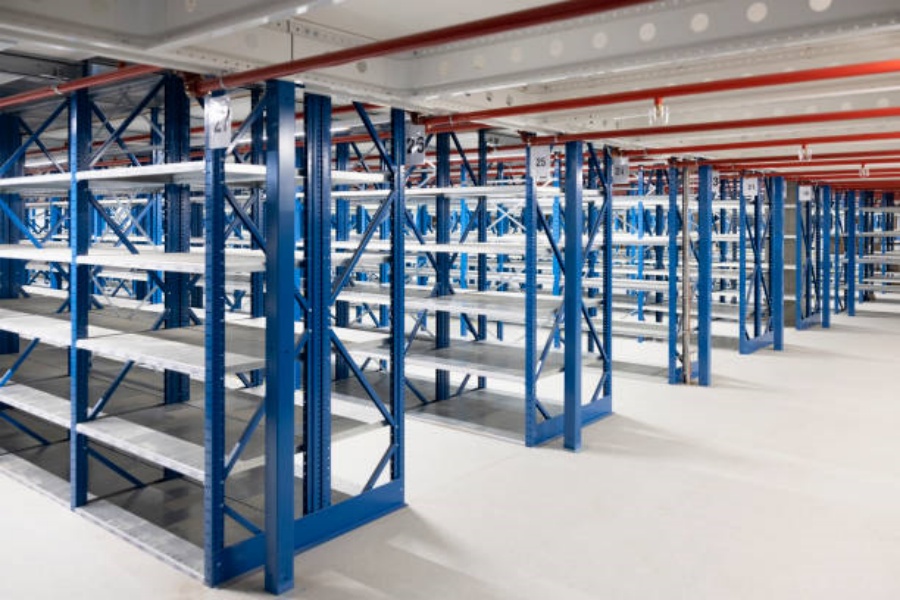
Light duty rack space optimization involves strategically organizing and utilizing lighter rack systems to maximize storage efficiency. These racks are designed to support lighter loads compared to heavy-duty racks, ideal for small parts, electronics, or other lightweight items. Proper optimization ensures businesses can make the most out of their vertical and horizontal storage capabilities, reducing wasted space and improving inventory management.
Benefits of Implementing Light Duty Rack Space Optimization
Optimizing light duty rack space reduces clutter and increases storage capacity without expanding facilities. This leads to better inventory accessibility, reduces picking times, and cuts operational costs. Moreover, it enhances workplace safety by ensuring racks are not overloaded and materials are easily visible and accessible. The overall flow of warehouse operations dramatically improves when light duty racks are optimized.
Selecting the Right Light Duty Rack Systems
Choosing appropriate light duty rack systems is critical for effective space optimization. Factors such as load capacity, shelf adjustability, size, and material quality affect how efficiently space is used. Modular and adjustable racks allow customization to different product sizes, making it easier to accommodate fluctuating inventory volumes and shapes.
Maximizing Vertical Space Utilization
One common approach in light duty rack space optimization is maximizing vertical storage. Incorporating taller racks and adjustable shelves enables the use of vertical space that often remains underutilized. This approach requires careful planning to maintain stability and ease of access but can significantly increase storage density.
Integration of Light Duty Racks with Inventory Systems
Combining light duty rack space optimization with inventory management systems enables real-time tracking of stock levels and locations. Barcode scanning and RFID tagging paired with well-organized racks improve accuracy in stock retrieval and replenishment, reducing errors and leading to faster order fulfillment processes.
Organizational Strategies for Light Duty Rack Space
Implementing effective organizational strategies is crucial for light duty rack space optimization. Grouping similar items by size, frequency of use, or product category minimizes search time and speeds up inventory rotation. Labeling racks clearly and designing intuitive layout plans help workers navigate storage areas efficiently.
Safety Considerations During Optimization
Safety must be prioritized when optimizing light duty rack space. Overloading racks beyond their capacity may cause structural failure, risking injury and inventory damage. Regular inspections, weight limit adherence, and proper rack installation all play roles in maintaining a secure storage environment while maximizing space use.
Cost-Effectiveness of Light Duty Rack Space Optimization
Optimizing light duty rack space offers a cost-effective alternative to warehouse expansion. By improving existing storage efficiency, companies can delay or avoid expenses related to new facilities or additional equipment. Lean inventory practices supported by optimized rack space also reduce holding costs and minimize waste.
Technological Advances Supporting Light Duty Rack Space Optimization
Emerging technologies such as space planning software, automated pick systems, and lightweight materials contribute to more effective light duty rack space optimization. These innovations assist in planning layouts, predicting space requirements, and automating storage processes, allowing businesses to scale storage needs dynamically while keeping efficiency high.
Future Trends in Light Duty Rack Space Optimization
Future trends point toward increased automation, modular design, and smart racks integrated with IoT sensors for monitoring load and environmental conditions. These advancements will further enhance the precision and flexibility of light duty rack space optimization, driving greater productivity and smarter inventory control.
Quote Inquiry
contact us