
Table of Contents
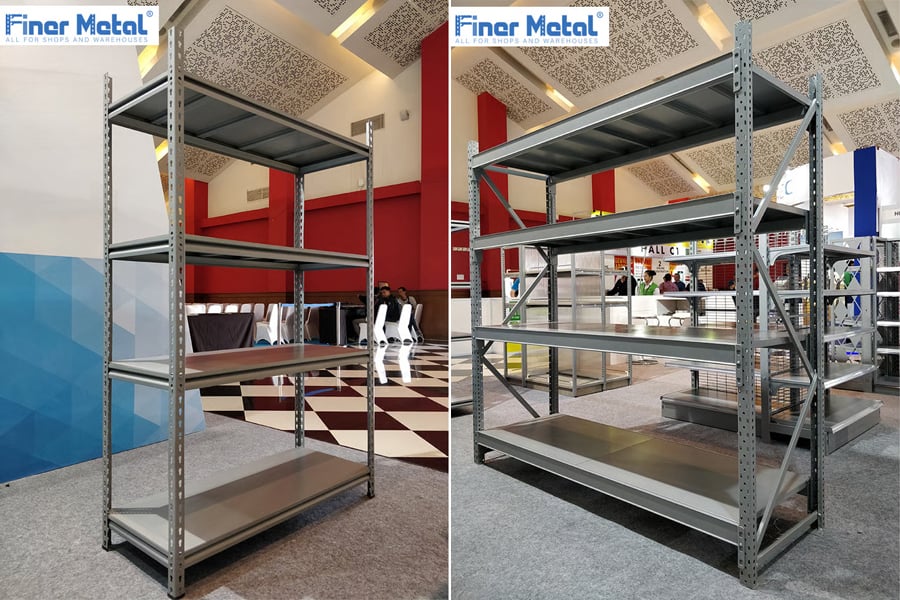
From Warehouse to Showroom: The Unsung Hero of Your Retail Ecosystem
In the glamorous world of retail, the spotlight naturally falls on the curated product displays, the artful window arrangements, and the seamless checkout experience. Customers see the final act, but rarely the intricate stagecraft behind the scenes. Yet, quietly supporting this entire performance—from the dimly lit backroom to the brightly lit sales floor—is a fundamental, often overlooked, component: the storage rack.
Far more than mere metal and shelves, the modern storage rack is the central nervous system of a retail operation. It is the silent, steadfast workhorse that bridges the gap between inventory management and customer interaction. Understanding and optimizing this unsung hero can unlock remarkable efficiencies, enhance the customer journey, and ultimately, protect your bottom line.
The Warehouse: Where Efficiency is Forged
The journey begins in the warehouse, the logistical heart of retail. Here, storage racks are the primary tool for taming chaos.
-
The Backbone of Accuracy: In an era where customers demand real-time inventory visibility (both online and in-store), the warehouse racking system is the foundation of truth. Well-organized, logically zoned racking, often integrated with Warehouse Management System (WMS) software, ensures every item has a precise, scannable home. This reduces picking errors to a minimum, slashes the time employees spend searching for stock, and guarantees that what the system says is in stock actually is in stock and findable. The result? Fewer failed promises to customers and more reliable omnichannel fulfillment.
-
Maximizing the Cube: Real estate is expensive, whether in a distribution center or a stockroom. Modern racking solutions like selective pallet racking, drive-in/drive-thru systems, and mezzanine shelving are engineered to maximize vertical and horizontal space. They transform empty air into profitable storage, allowing retailers to hold more inventory in the same footprint or free up valuable space for other operations. This "cube utilization" is a direct lever on storage costs.
-
Safety as a Priority: A warehouse is a dynamic environment with heavy loads and moving equipment. The structural integrity of racking is non-negotiable. Properly installed, load-rated racks, combined with clear aisle markings and protective column guards, create a safer workplace. This reduces the risk of costly accidents, product damage, and employee injuries—a critical consideration for any business.
The Stockroom: The Strategic Buffer
The store stockroom is the crucial intermediary, a micro-warehouse where the storage rack's role evolves.
-
The Fast-Mover Hub: Stockroom racking is typically designed for speed and accessibility, not bulk storage. It holds fast-moving inventory, restock for the sales floor, and overflow for promotions. Its organization directly impacts the speed of in-store replenishment. When associates can quickly grab what they need from clearly labeled, ergonomically designed shelving, they spend more time assisting customers and less time navigating clutter.
-
Omnichannel’s Ground Zero: For stores fulfilling Buy Online, Pick Up In-Store (BOPIS) or ship-from-store orders, the stockroom racking layout is mission-critical. Dedicated zones for e-commerce orders, organized for rapid picking and packing, are essential. The humble rack becomes the physical infrastructure enabling this key retail strategy.
The Showroom: The Silent Salesperson
This is where the storage rack sheds its industrial skin and steps into the spotlight—though still subtly. On the sales floor, it transforms into merchandising fixtures and displays.
-
Psychology of Presentation: The design, height, and layout of retail shelving unconsciously guide the customer journey. Gondolas create navigable aisles; endcaps capture attention for high-margin or promotional items; feature tables tell a brand story. The rack provides the structure, but its presentation—clean, organized, and thoughtfully stocked—signals quality and care, influencing purchasing decisions.
-
Flexibility is King: Retail is seasonal and trend-driven. Modular shelving systems with adjustable heights and accessories allow retailers to completely transform a section overnight—from back-to-school supplies to holiday decorations. This adaptability turns fixed retail space into a dynamic canvas, responsive to market demands.
-
The Basket Connection: This is a critical, often missed, synergy. Well-designed sales floor shelving creates a natural flow that encourages basket use. Clear sightlines, uncluttered aisles, and logical product grouping allow customers to navigate easily with a basket or cart, facilitating multiple item purchases. Conversely, poorly planned racks create bottlenecks that lead customers to abandon their baskets—literally and figuratively.
Conclusion: Investing in the Hero
The storage rack is not a passive piece of equipment. It is an active, strategic asset that touches every part of the retail chain. From ensuring accurate, space-efficient storage in the warehouse, to enabling speedy fulfillment in the stockroom, to shaping the experience and maximizing sales on the showroom floor, its impact is profound.
Ignoring this "unsung hero" means tolerating hidden inefficiencies, inventory inaccuracies, and a suboptimal customer experience. Investing in it—through thoughtful selection, proper maintenance, and intelligent integration with technology—strengthens the entire retail ecosystem. It’s time to give the storage rack the strategic consideration it deserves, for it truly is the backbone upon which retail success is built.