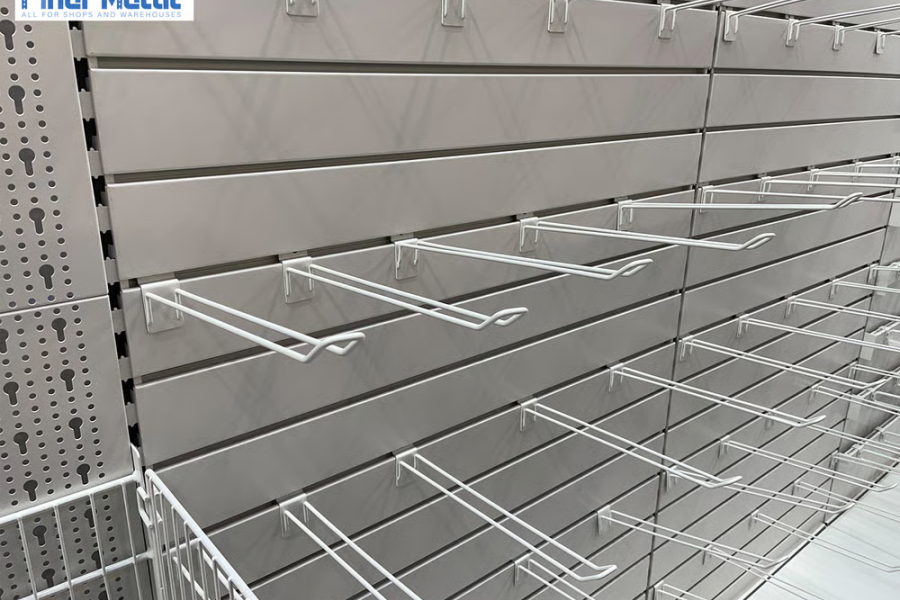
A hook for slated back panel is a vital hardware component used in furniture and display constructions. It ensures secure attachment to slatted or slated surfaces, providing stability and convenience. Without the right hook, mounting items on slated back panels can be challenging, leading to unstable or unsafe installations. This component is designed to seamlessly integrate with the panel’s horizontal or vertical slats, making it indispensable in interior design and storage solutions.
Understanding the Design Features of Hooks for Slated Back Panels
Hooks for slated back panels are uniquely crafted to accommodate slats' dimensions and spacing. Typically made from durable metals like steel or brass, they offer resistance against wear and corrosion. Adjustable hooks feature flexible arms or clips, allowing them to fit various slat thicknesses. The design often includes a curved or angled tip that securely clasps the slats without damaging the wood or metal, ensuring longevity and ease of use.
Applications in Furniture and Storage Systems
These hooks find extensive applications in modular furniture and storage units where slatted backs are common. They enable hanging shelves, organizers, or decorative elements directly onto the panel. This setup allows for customizable configurations, making it easy to rearrange components as needed. For cabinets, display racks, or wall-mounted furniture, using a hook for slated back panel maximizes space efficiency and enhances aesthetic appeal.
Installation Techniques for Optimal Usage
Installing a hook for slated back panel requires precise alignment with the slats to guarantee stability. Generally, one must measure the width of the slats and select a hook that matches this dimension. Hooks often slide slots or grip firmly onto the slats without additional tools, simplifying installation. Proper placement prevents the hook from slipping or damaging the panel, retaining both function and durability in the overall assembly.
Material Choices Affecting Performance and Durability
The choice of material for hooks significantly affects their performance on slated back panels. Steel hooks coated with powder finishes resist rust and maintain structural integrity in humid environments. Brass or aluminum variants offer lightweight yet sturdy options, suitable for light-to-medium loads. Some hooks feature rubberized grips or non-slip coatings to protect the panel’s surface and increase holding strength. Picking the right material ensures the hook’s longevity and reliability over time.
Customization Options and Versatility
Hooks for slated back panels come in various sizes, shapes, and finishes to complement different interior themes. Options include minimalist sleek designs for modern aesthetics or ornate hooks matching classical furniture styles. Some models allow angle adjustments, providing flexibility when mounting items at specific positions. This versatility enables users to tailor their setups to functional needs and design preferences, making hooks a multipurpose solution.
Compatibility with Different Slat Types and Spacings
Slated back panels vary in slat width, thickness, and spacing, influencing hook compatibility. Most hooks are engineered with adjustable features to accommodate a range of measurements. Understanding the panel’s specs before purchase is crucial for ensuring a snug fit. Custom hook options are available for panels with unconventional slat arrangements, highlighting the importance of matching hardware to the panel type for effective use.
Benefits of Using Hooks for Slated Back Panels in Retail Displays
In retail environments, hooks for slated back panels facilitate dynamic product displays. They allow quick rearrangement of items like merchandise, signage, or promotional materials. The hooks' sturdy hold enables the display of heavy products without compromising safety. Additionally, using these hooks avoids damaging the panels, which is important in temporary or frequently changing retail setups. This adaptability supports visual merchandising strategies effectively.
Maintenance and Longevity Considerations
Maintaining hooks on slated back panels is straightforward but essential for extending their service life. Regular inspection for wear, loosening, or corrosion helps prevent accidents. Cleaning hooks with mild solutions preserves finishes and prevents buildup that can affect grip strength. For outdoor or humid settings, periodically checking for rust and applying protective coatings enhances durability. Proper maintenance ensures reliable performance throughout the hook’s lifespan.
Environmental and Safety Implications
Choosing environmentally friendly hooks made from recyclable materials aligns with sustainable building practices. Additionally, selecting hooks designed to avoid sharp edges reduces injury risks during installation or use. Secure attachment minimizes the chance of falling objects, promoting safety in homes and workplaces. Environmentally conscious and safety-compliant hooks contribute to creating responsible and secure living and commercial spaces.
Quote Inquiry
contact us