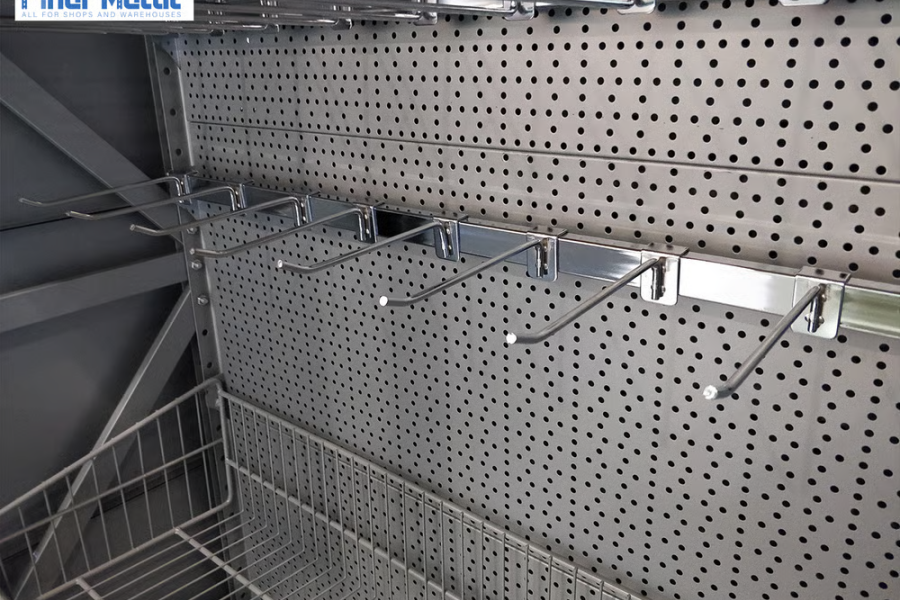
The single hook for rear support bar is an essential accessory in various automotive and industrial applications. It functions as a secure attachment point, providing stability and enhanced support for the rear support bars used in vehicles or machinery. By integrating a single hook, the overall structural integrity and load-bearing capabilities of the rear support bar are significantly improved.
Key Functions and Purpose
The primary function of the single hook for rear support bar is to anchor the support bar firmly in place, preventing unwanted movement or detachment during operation. This attachment point allows for better distribution of load stresses, ensuring that the rear support bar can handle higher torque and tension without failure, which is crucial for maintaining safety and performance.
Applications in Automotive Industry
In the automotive sector, the single hook for rear support bar plays a pivotal role, especially in off-road and heavy-duty vehicles. It is commonly used to secure rear stabilizer bars or anti-roll bars, which reduce body roll during cornering, thus enhancing vehicle handling and passenger safety. Its reliability makes it indispensable for both manufacturer installations and aftermarket modifications.
Material Composition and Durability
Typically manufactured from high-grade steel or alloy materials, the single hook for rear support bar is designed to endure high stress and resist corrosion. The choice of materials ensures longevity and sustained performance in harsh environmental conditions, including exposure to moisture, road salts, and extreme temperatures, which are common in automotive applications.
Installation Techniques and Tips
Proper installation of the single hook for rear support bar is critical to its efficiency. It usually involves mounting the hook onto the rear support bar with precision to ensure a snug fit. It’s recommended to follow manufacturer guidelines, use appropriate torque settings on bolts, and check alignment to avoid premature wear or failure, maximizing both safety and functionality.
Compatibility with Various Rear Support Bars
Single hooks are often designed to be compatible with a wide range of rear support bars, including tubular or solid bar configurations. This versatility allows for easier integration into different vehicle models and custom builds, providing flexibility for mechanics and engineers who require adaptable support solutions for varying specifications.
Impact on Vehicle Performance and Safety
The integration of a single hook for rear support bar contributes to improved vehicle stability, particularly during sharp turns or when traversing uneven terrain. By maintaining the position of the rear support bar, the hook minimizes sway and body roll, which enhances traction and steering response, ultimately increasing overall driving safety.
Maintenance and Inspection Guidelines
Regular inspection of the single hook for rear support bar is vital for maintaining its effectiveness. Signs of wear, corrosion, or loosening should be addressed promptly. Lubrication of pivot points and checking the tightness of fasteners are recommended maintenance tasks. Routine care ensures the hook continues to provide reliable rear support without compromising vehicle integrity.
Comparison with Other Support Accessories
Compared to multi-hook or bracket assemblies, the single hook for rear support bar offers a more streamlined and cost-effective solution. While multi-hook setups may provide additional anchorage points, single hooks provide sufficient support for many applications with fewer components, simplifying installation and reducing potential failure points.
Future Trends and Innovations
Advancements in materials science and manufacturing technologies are likely to enhance the performance of single hooks for rear support bars. Innovations such as lightweight composites and corrosion-resistant coatings could lead to hooks that are stronger, lighter, and more durable. Additionally, design improvements may focus on ease of installation and integration with electronic stability control systems.
Quote Inquiry
contact us